
Brand Identity Design: Building Memorable Brands
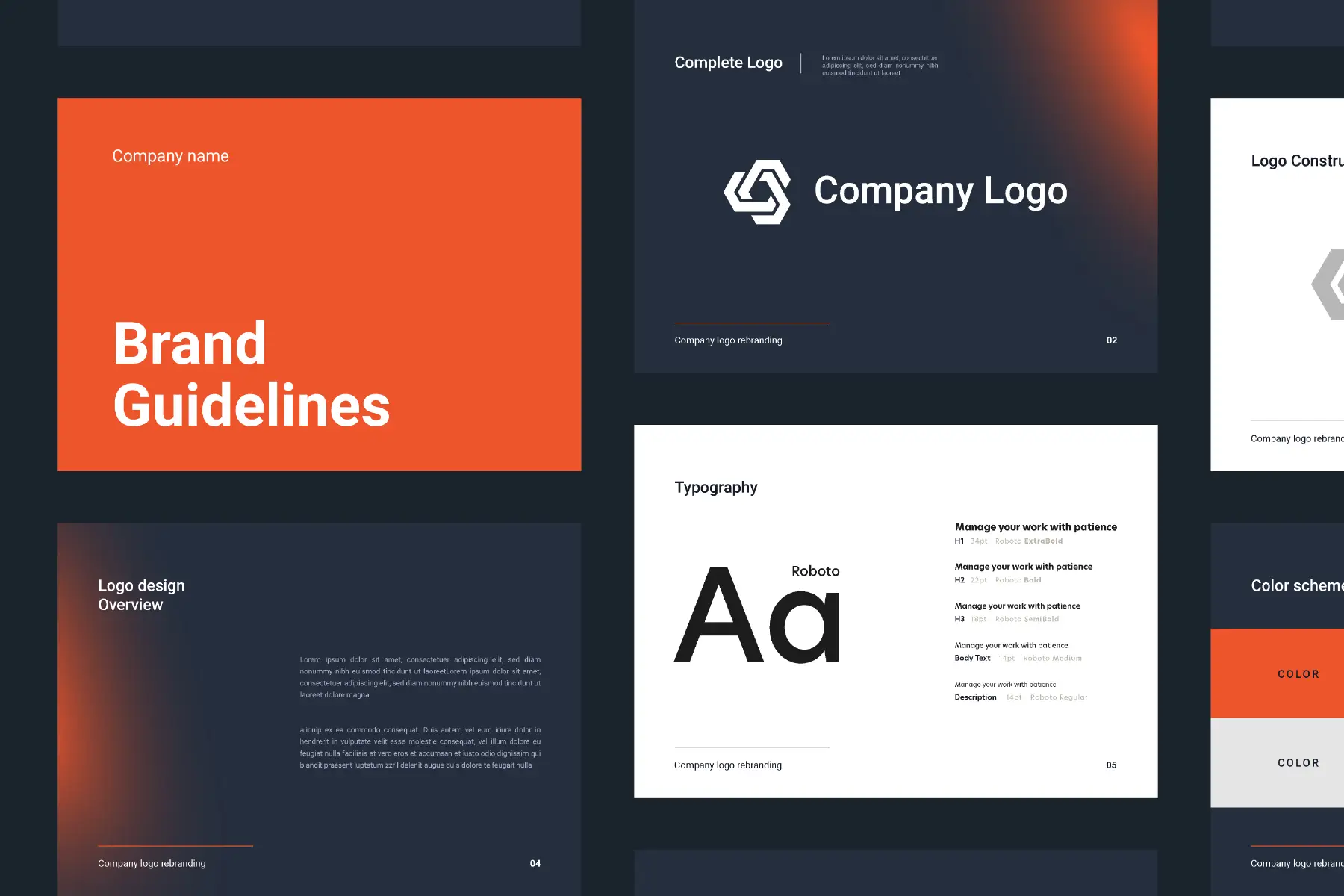
Table of Contents
- What is Brand Identity?
- Why Brand Identity Matters
- Key Elements of Brand Identity
- Developing Brand Personality
- Color Psychology in Branding
- Typography and Brand Voice
- Logo Design Principles
- Creating Brand Guidelines
- Maintaining Brand Consistency
- Brand Evolution and Adaptation
- Measuring Brand Success
- Conclusion
Building a memorable brand identity is crucial in today's competitive marketplace. A strong brand identity not only helps you stand out from the competition but also creates an emotional connection with your target audience. This comprehensive guide will walk you through the essential elements of brand identity design and how to create a brand that resonates with customers and drives business success.
What is Brand Identity?
Brand identity is the collection of all elements that a company creates to portray the right image to its consumer. It's not just about a logo or color scheme—it's the complete visual and emotional representation of your brand that customers interact with across all touchpoints.
Brand Identity vs. Brand Image vs. Branding
- Branding: The process of creating and shaping the brand
- Brand Identity: The tangible elements that represent the brand
- Brand Image: How customers perceive your brand
Why Brand Identity Matters
A well-crafted brand identity provides numerous benefits that directly impact your business success:
Business Benefits
- Differentiation: Stand out in a crowded marketplace
- Recognition: Make your brand easily identifiable
- Trust Building: Create credibility and reliability
- Customer Loyalty: Foster emotional connections
- Premium Pricing: Justify higher price points
- Employee Pride: Boost internal morale and engagement
Key Elements of Brand Identity
A comprehensive brand identity consists of multiple interconnected elements that work together to create a cohesive brand experience:
Visual Elements
- Logo: The cornerstone of visual identity
- Color Palette: Emotional and psychological impact
- Typography: Font choices that reflect brand personality
- Imagery: Photography and illustration styles
- Iconography: Custom icons and symbols
- Design System: Consistent design patterns
Verbal Elements
- Brand Name: The foundation of your identity
- Tagline: Memorable phrase that captures essence
- Brand Voice: Tone and communication style
- Messaging: Key talking points and value propositions
- Storytelling: Narrative that connects emotionally
Developing Brand Personality
Brand personality is the set of human characteristics associated with your brand. It's what makes your brand relatable and memorable.
Brand Personality Dimensions
- Sincerity: Down-to-earth, honest, wholesome, cheerful
- Excitement: Daring, spirited, imaginative, up-to-date
- Competence: Reliable, intelligent, successful
- Sophistication: Upper class, charming, elegant
- Ruggedness: Outdoorsy, tough, strong
Defining Your Brand Personality
- Identify your target audience values
- Analyze your company culture and values
- Research competitor personalities
- Choose 3-5 core personality traits
- Create a personality style guide
Color Psychology in Branding
Colors evoke specific emotions and associations, making them a powerful tool in brand identity design.
Color Meanings and Associations
- Red: Passion, energy, excitement, urgency
- Blue: Trust, professionalism, stability, calm
- Green: Growth, health, nature, sustainability
- Yellow: Optimism, happiness, warmth, attention
- Purple: Luxury, creativity, wisdom, spirituality
- Orange: Enthusiasm, creativity, fun, vitality
- Black: Luxury, sophistication, power, elegance
- White: Simplicity, purity, cleanliness, minimalism
Choosing Your Brand Colors
- Consider your industry and competitors
- Think about your target audience preferences
- Test color combinations for accessibility
- Create primary and secondary color palettes
- Ensure colors work across all media
Typography and Brand Voice
Typography is more than just choosing fonts—it's about creating a visual language that communicates your brand's personality.
Typography Categories
- Serif: Traditional, respectable, elegant
- Sans-serif: Modern, clean, approachable
- Script: Personal, creative, elegant
- Display: Bold, expressive, attention-grabbing
Typography Best Practices
- Limit to 2-3 font families maximum
- Establish clear hierarchy (headings, subheadings, body)
- Ensure readability across all devices
- Consider licensing and web font performance
- Create typography scale and spacing rules
Logo Design Principles
Your logo is often the first touchpoint customers have with your brand. It needs to be memorable, versatile, and meaningful.
Logo Design Principles
- Simplicity: Easy to recognize and remember
- Memorability: Creates a lasting impression
- Timelessness: Works today and in the future
- Versatility: Works across all media and sizes
- Appropriateness: Fits your industry and audience
Logo Types
- Wordmark: Company name in stylized text
- Lettermark: Initials or abbreviations
- Brandmark: Symbol or icon
- Combination Mark: Symbol and text together
- Emblem: Text inside a symbol or shape
Creating Brand Guidelines
Brand guidelines ensure consistency across all applications and help maintain brand integrity.
Essential Guidelines Elements
- Logo Usage: Clear space, minimum size, variations
- Color Palette: Primary, secondary, and accent colors
- Typography: Font families, sizes, and hierarchy
- Imagery Style: Photography and illustration guidelines
- Voice and Tone: Communication style guidelines
- Applications: Examples of correct usage
Implementing Guidelines
- Create both digital and print versions
- Provide templates for common applications
- Train team members on proper usage
- Regularly update and maintain guidelines
- Establish approval processes
Maintaining Brand Consistency
Consistency is key to building brand recognition and trust. Every touchpoint should reflect your brand identity accurately.
Consistency Touchpoints
- Digital: Website, social media, email, apps
- Print: Business cards, brochures, packaging
- Physical: Office space, signage, uniforms
- Communication: Customer service, sales presentations
- Partnerships: Co-branding, sponsorships
Consistency Strategies
- Implement brand management systems
- Conduct regular brand audits
- Provide team training and resources
- Use templates and design systems
- Monitor brand mentions and usage
Brand Evolution and Adaptation
Brands need to evolve to stay relevant while maintaining their core identity.
When to Evolve Your Brand
- Market position changes
- Target audience shifts
- Business model evolution
- Outdated visual identity
- Merge or acquisition
- International expansion
Evolution Strategies
- Conduct brand research and analysis
- Involve stakeholders in the process
- Maintain recognizable elements
- Test changes with your audience
- Roll out changes gradually
- Communicate changes clearly
Measuring Brand Success
Track key metrics to evaluate your brand identity effectiveness and make data-driven improvements.
Brand Awareness Metrics
- Brand Recognition: aided and unaided awareness
- Brand Recall: top-of-mind awareness
- Share of Voice: brand mentions vs competitors
- Search Volume: brand-related searches
Brand Perception Metrics
- Brand Sentiment: positive vs negative mentions
- Customer Satisfaction: NPS and CSAT scores
- Brand Associations: perceived attributes
- Net Promoter Score: likelihood to recommend
Business Impact Metrics
- Brand Equity: financial value of brand
- Price Premium: willingness to pay more
- Customer Loyalty: repeat purchase rates
- Market Share: brand's market position
Conclusion
Building a memorable brand identity is a strategic investment that pays dividends in customer loyalty, market differentiation, and business growth. A strong brand identity goes beyond visual elements—it encompasses every aspect of how your brand presents itself to the world.
Remember that brand identity is not static; it evolves with your business and market. Stay true to your core values while remaining flexible enough to adapt to changing customer needs and market conditions. The most successful brands are those that create authentic connections with their audiences and consistently deliver on their brand promises.
Invest the time and resources needed to develop a comprehensive brand identity that reflects your unique value proposition and resonates with your target audience. The result will be a brand that not only stands out in the marketplace but also builds lasting relationships with customers.
Ready to Build Your Brand Identity?
Our branding experts can help you create a compelling brand identity that captures your essence and connects with your audience. Contact us for a free brand consultation.
Get Free Consultation